


Books and VR porn seem like an odd comparison, but both ask the audience to leave the room mentally for a while. A book creates that escape through language and imagination. VR uses scale, sound and a first-person camera. Neither one replaces the other; they simply offer different kinds of attention.
Books leave more work to the imagination
Reading is private, portable and entirely shaped by the reader. A short description can become a detailed scene because the mind supplies the faces, voices and setting. The pace is also under complete control. You can stop on a sentence, go back a page or put the story down without breaking anything.
VR makes the space visible
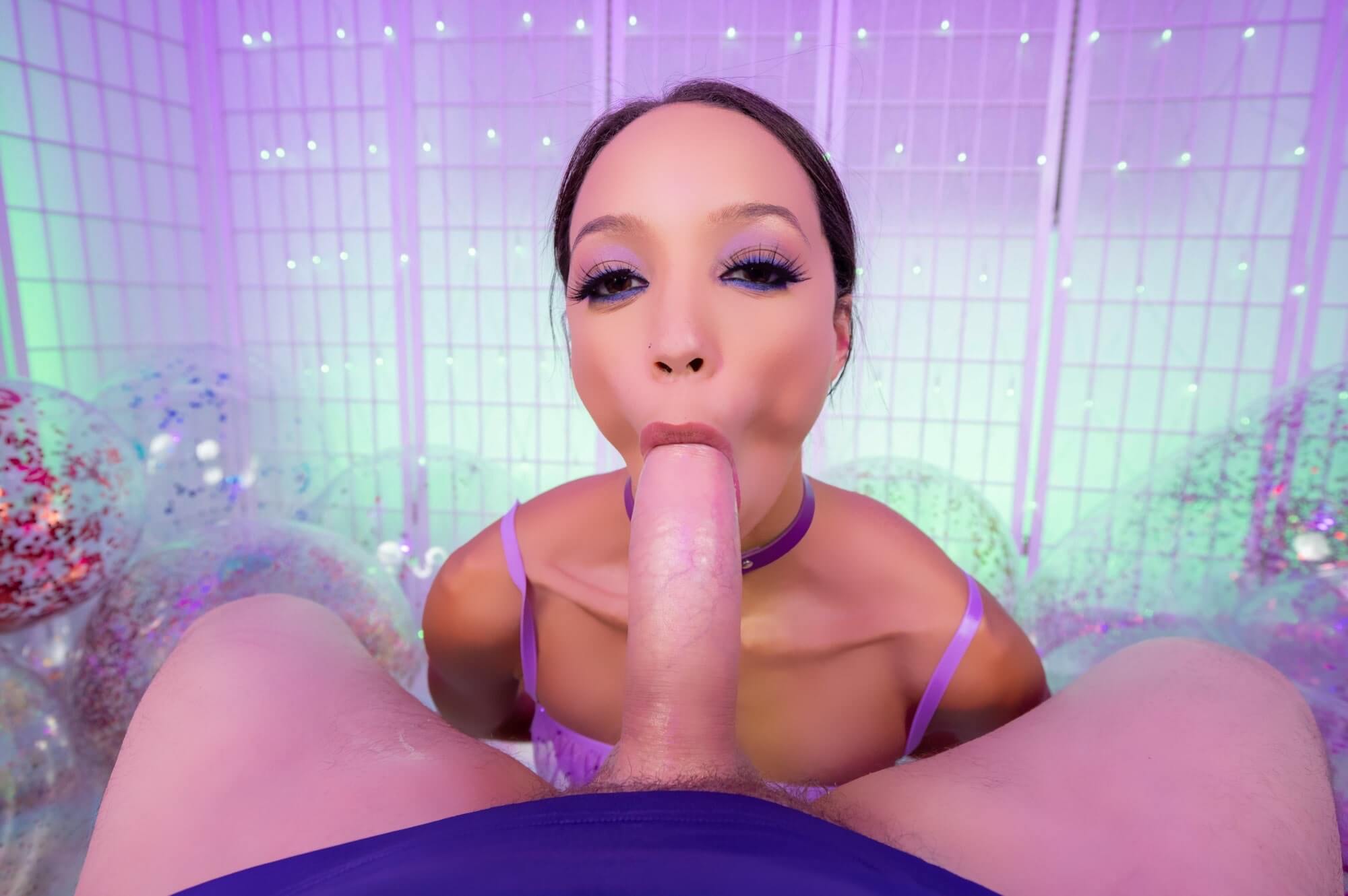
8K VR porn takes the opposite approach. Instead of asking the viewer to invent the room, it shows the distance between the camera and performer, the direction of her attention and the movement around the frame. The experience is immediate, but the production has to get the basics right: stable focus, clear sound and a camera position that feels believable.
Longer scenes can feel more like chapters than short clips. The movie-length VR collection gives the setup time to develop instead of rushing through a sequence of highlights.
Motion quality affects concentration
Resolution controls detail, while frame rate controls how movement reads. In the 60 FPS VR collection, quick turns and close movement look smoother and produce less blur. That can matter as much as resolution when the performer stays near the camera.
A book is still better when you want imagination, silence and control over every detail. VR is better when you want the setting and perspective already built. The useful comparison is not which one wins. It is what kind of escape you want at that moment: one assembled in your head or one presented directly in front of you.